Necessary work in the olive grove during the summer in Extremadura
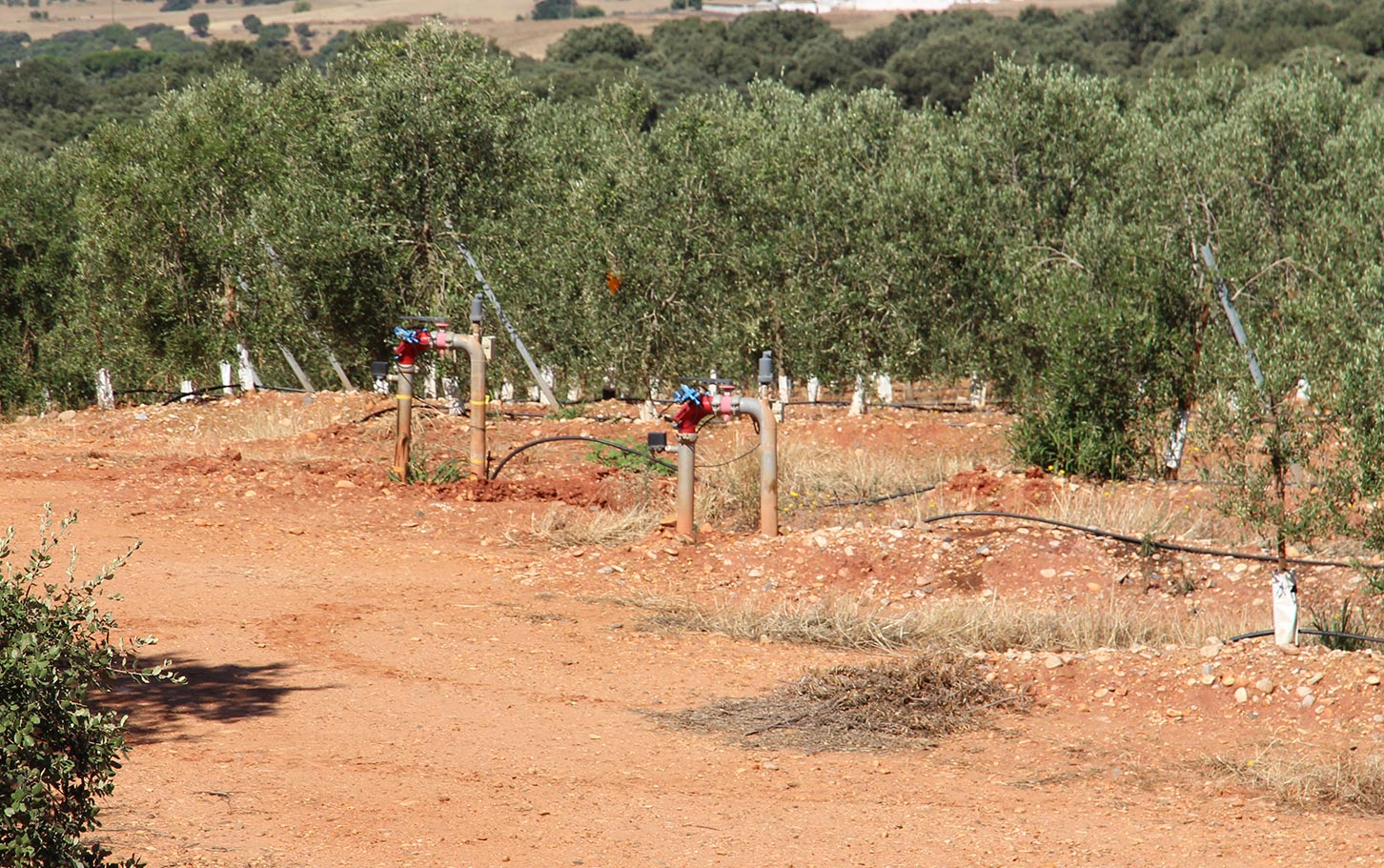
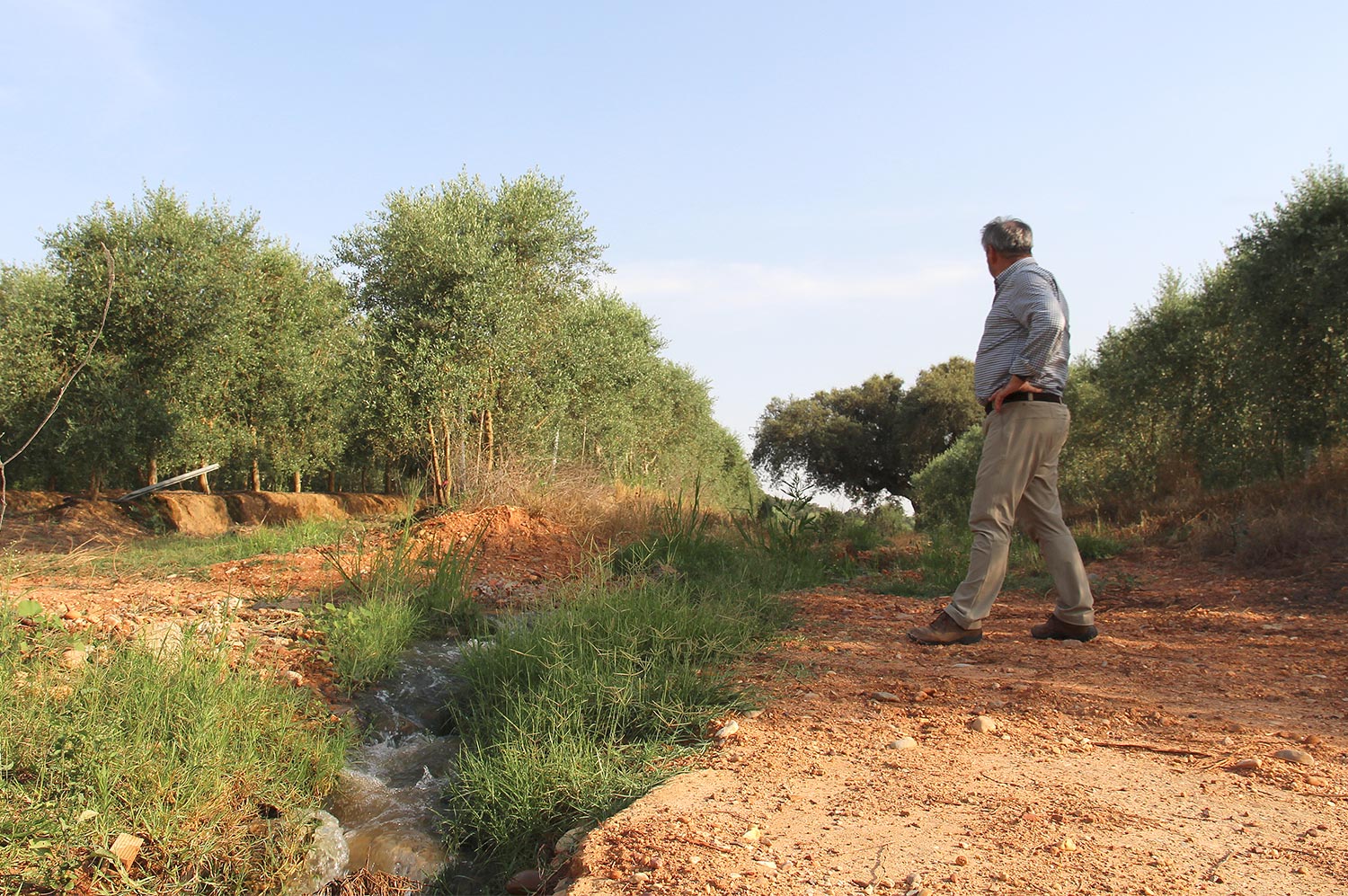
1. Irrigation (the olive grove is irrigated)
- Objective: Maintain adequate water levels for the tree and promote fruit set.
- Frequency: Depending on water needs, soil type, and climate (very hot and dry in Extremadura).
- Irrigation type: Localized (drip), optimizing water consumption.
2. Weed control Methods:
Methods:
- Mechanical weeding between rows.
- Localized herbicide application (only if necessary and permitted).
Objective: Prevent competition for water and nutrients.
3. Pest and disease control
Main threats in summer:
- Olive fruit fly (Bactrocera oleae)
- Prays (third generation – attack on fruit)
- Repilo (if there is localized moisture)
Actions:
- Monitoring with traps or visual inspection.
- Application of phytosanitary treatments if intervention thresholds are exceeded.
4. Green Pruning (occasional)
- Objective: To eliminate unwanted shoots or suckers, improve aeration, and allow light to enter.
- Only in specific cases: when there is excess vegetation that impairs fruit set or fattening.
5. Maintenance Tasks
Examples:
- Repairing irrigation systems.
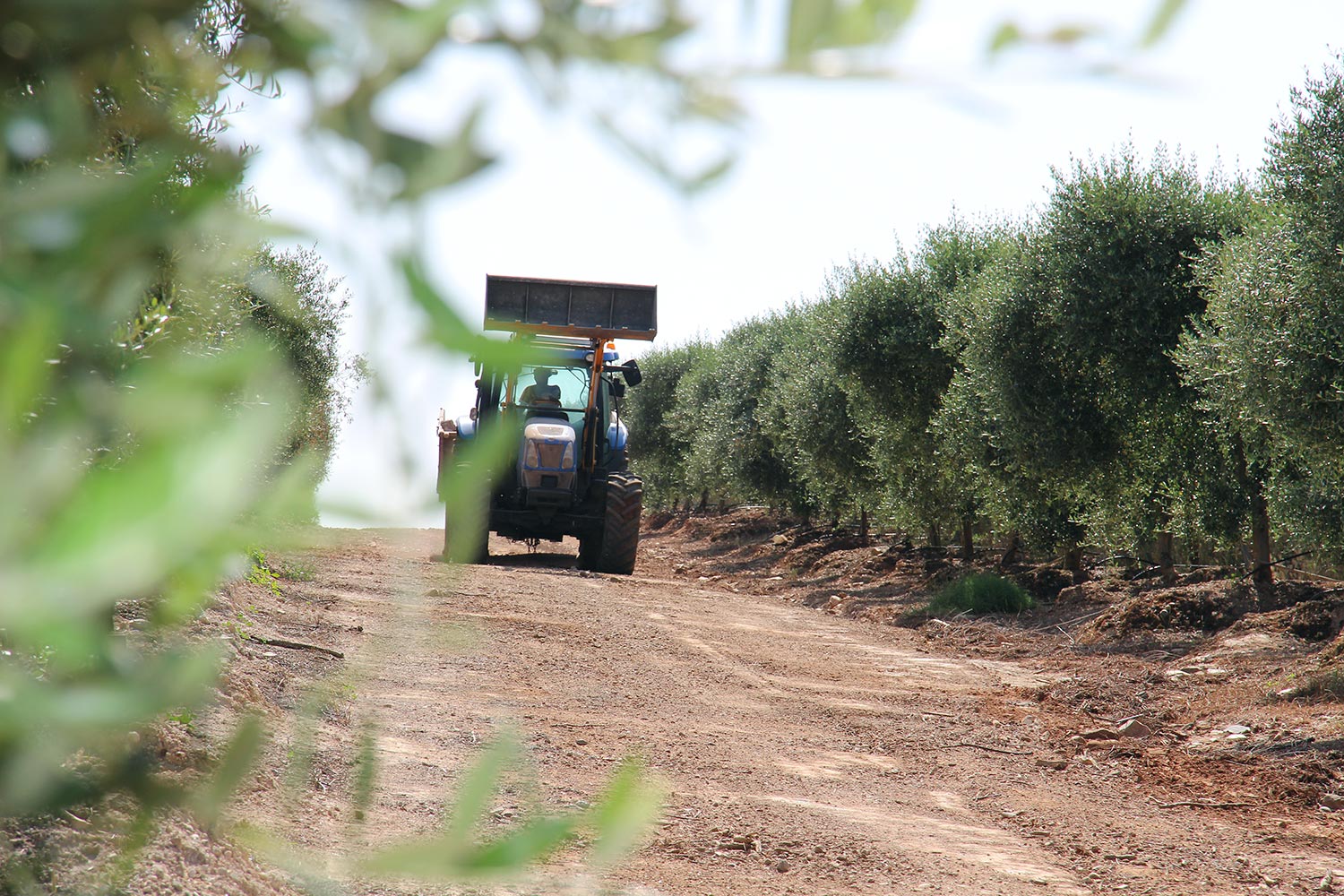
- Checking fences or access roads.
- Checking the drainage system or cleaning ditches.
6. Fruit Monitoring
- Objective: To observe the development of olives and anticipate water stress or pest problems.
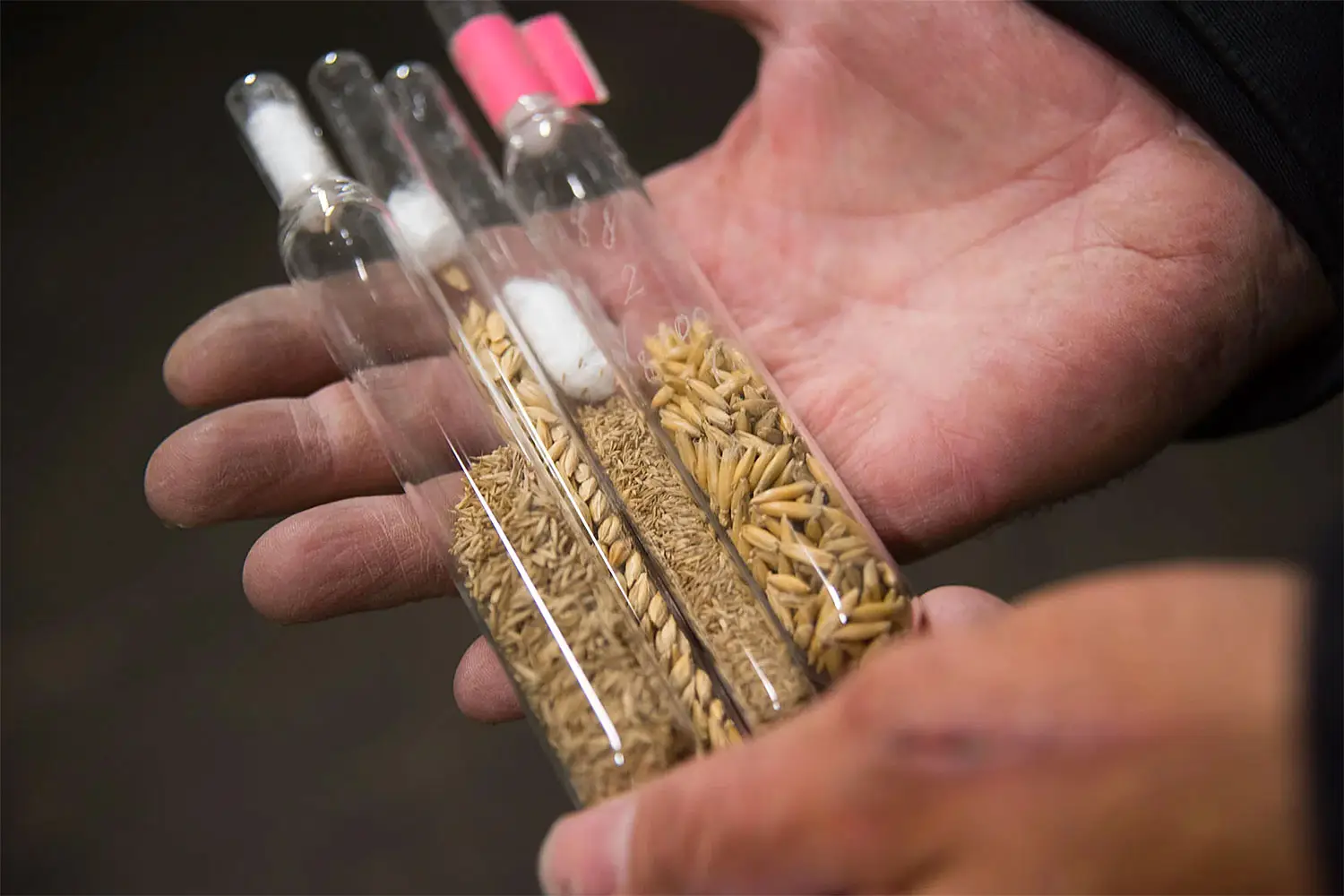
- Activity: Sampling, taking notes, and, in some cases, laboratory analysis.
7. Application of nutritional products (foliar fertilizer)
- When: If nutritional deficiencies are detected.
- Common products: Boron, potassium, amino acids, trace elements.